
Arun jaitley stadium pitch report is one of the most searched topics by cricket fans who want to understand how the surface at this famous ground behaves during matches. Whether it is an IPL clash, an international T20, an ODI, or a Test match, the pitch at this venue often plays a key role in deciding the result. In this detailed guide, we will look at the pitch nature, batting and bowling conditions, weather impact, average scores, records, and overall match strategy at Arun Jaitley Stadium.
Overview of Arun Jaitley Stadium

The Arun Jaitley Stadium is located in Delhi and is one of the oldest cricket grounds in India. Formerly known as Feroz Shah Kotla Stadium, it was renamed in honor of the late politician Arun Jaitley. The stadium has hosted many historic matches, including Tests, ODIs, T20 internationals, and IPL games.
The ground is known for its relatively small boundaries compared to other international venues. This factor, combined with the pitch behavior, makes it an exciting venue for high-scoring contests, especially in limited-overs cricket.
Arun Jaitley Stadium Pitch Report: Nature of the Surface
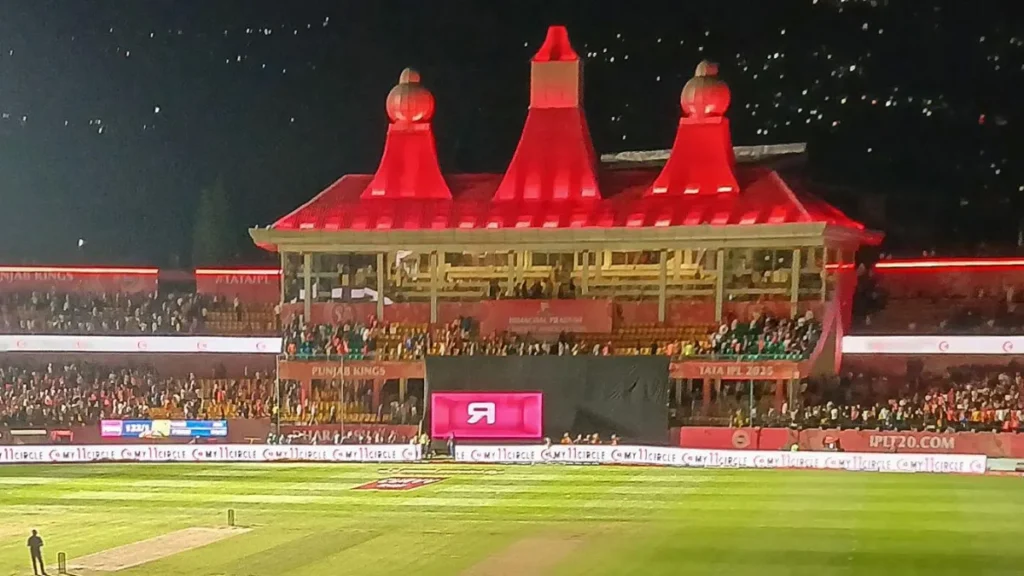
When we talk about the Arun jaitley stadium pitch report, the first thing to understand is the basic nature of the surface. Traditionally, the pitch here is known to be slow and dry. It often supports spin bowlers, especially as the match progresses.
In white-ball cricket, particularly T20 matches, the pitch tends to offer good batting conditions in the first half. The ball comes nicely onto the bat early on, allowing batters to play their shots freely. However, as the game moves forward, the surface can slow down, making stroke play slightly difficult.
In Test matches, the pitch generally starts as a decent batting track but gradually breaks down. Cracks may appear from Day 3 onwards, and spinners begin to dominate the game.
Is Arun Jaitley Stadium a Batting or Bowling Pitch?
One of the most common questions in every Arun jaitley stadium pitch report is whether the pitch favors batters or bowlers.
The answer depends on the format of the game.
In T20 cricket, it is usually a batting-friendly surface. The small boundaries and flat pitch allow teams to post big totals. Scores above 180 are common in IPL matches at this venue. Batters who play spin well often succeed here.
In ODI matches, the pitch provides a balanced contest. Fast bowlers may get some movement with the new ball, especially in evening matches. But once the ball gets older, spinners and batters both come into play.
In Test cricket, the pitch is traditionally spin-friendly. Spinners often take the majority of wickets here. Teams with strong spin attacks usually perform well in Delhi.
Arun Jaitley Stadium Pitch Report for T20 Matches
T20 cricket at this stadium is often thrilling because of the scoring pattern. The pitch generally remains hard and flat during the early overs. Powerplay overs are crucial for batters as the ball travels quickly to the boundary.
However, as the match progresses, the pitch may become slower. Bowlers who use variations like slower balls, cutters, and spin can be very effective. Wrist spinners and finger spinners both get assistance, especially in the second innings.
Dew is another important factor in night matches. If dew settles, it becomes difficult for bowlers to grip the ball. In such cases, chasing teams often have an advantage.
Arun Jaitley Stadium Pitch Report for ODI Matches
In ODI cricket, the pitch at Arun Jaitley Stadium usually offers a fair contest. Teams batting first aim for scores above 280 to stay competitive. The surface does not offer excessive bounce, so timing becomes more important than power.
Fast bowlers can get slight seam movement in the early overs. However, once the shine fades, the ball comes easily onto the bat. Middle overs are often dominated by spinners, who try to control the run rate and pick up wickets.
Captains often prefer to bowl first in day-night matches because of dew. However, if the pitch looks dry and cracked, batting first can be a good option to put pressure on the opposition.
Arun Jaitley Stadium Pitch Report for Test Matches
Test matches at this venue are usually dominated by spinners. The pitch tends to be dry from the beginning. While the first two days may support batting, the surface gradually deteriorates.
From Day 3 onwards, uneven bounce and sharp turn can make batting very challenging. Spinners get significant assistance, and even part-time bowlers can trouble batters.
Teams winning the toss often choose to bat first to make full use of the relatively better batting conditions in the initial days.
Average Scores at Arun Jaitley Stadium
Understanding average scores is essential in any Arun jaitley stadium pitch report.
In T20 matches, the average first-innings score is generally around 165 to 175. In IPL games, totals above 190 have been scored multiple times, especially when the pitch is fresh.
In ODI matches, the average first-innings score is around 260 to 280. However, modern aggressive batting has seen scores crossing 300 on several occasions.
In Test cricket, first-innings totals of 350 or more are considered strong. But as the pitch breaks down, scoring becomes increasingly difficult.
Role of Spinners at Arun Jaitley Stadium
Spinners play a key role at this venue. The dry surface helps the ball grip and turn. In T20 matches, spinners who bowl quickly and accurately can control the flow of runs.
In ODIs, spinners are often used in the middle overs to break partnerships. In Test matches, they become the main attacking option.
Many famous spin bowlers have enjoyed success at this ground due to the natural assistance from the pitch.
Fast Bowlers at Arun Jaitley Stadium
Although the pitch is known for spin, fast bowlers are not completely out of the game. With the new ball, there can be slight movement off the seam. Early breakthroughs are possible if bowlers hit the right areas.
In T20 cricket, pacers who use slower deliveries and variations are highly effective. The key is not pace but smart bowling.
During winter months, when the weather is cooler, there may be a little extra help for seamers.
Impact of Weather on Arun Jaitley Stadium Pitch
Delhi’s weather has a big influence on the pitch. During summer, the surface becomes very dry and hard. This increases the chances of spin and slower conditions.
In winter, there may be slight moisture in the pitch, offering some help to fast bowlers early on.
Dew is common in evening matches, especially during IPL and international T20 games. Dew makes it easier to bat in the second innings, which is why teams often prefer to chase.
Toss Factor at Arun Jaitley Stadium
The toss plays an important role in match strategy. In T20 and ODI matches, captains often prefer to bowl first because of the dew factor.
However, in Test cricket, batting first is usually the best choice. As the pitch deteriorates over time, chasing in the fourth innings can be very challenging.
Understanding the toss trend is an important part of any detailed Arun jaitley stadium pitch report.
Boundary Dimensions and Ground Conditions
One reason for high scores at this venue is the relatively small boundary size. The straight boundaries are moderate, but the square boundaries are shorter compared to many other stadiums.
This allows batters to clear the ropes easily, especially in T20 cricket. Even mishits can go for sixes if the timing is decent.
The outfield is usually fast, which helps the ball reach the boundary quickly.
Memorable Matches at Arun Jaitley Stadium
Over the years, this stadium has witnessed many historic moments. Several international teams have recorded important wins here. Many batters have scored centuries, and bowlers have taken five-wicket hauls.
The ground has also hosted crucial IPL matches, including league games and playoffs. The atmosphere during big matches is electric, with passionate fans filling the stands.
These memorable matches highlight how the pitch can change depending on the format and match situation.
Key Tips for Fantasy Cricket Based on Arun Jaitley Stadium Pitch Report
Fantasy cricket players closely follow the Arun jaitley stadium pitch report before selecting their teams.
In T20 matches, top-order batters are often safe choices because of the flat pitch and small boundaries. All-rounders who can bowl spin and bat in the middle order are also valuable.
In ODI games, selecting quality spinners can be beneficial, especially if the pitch looks dry.
In Test matches, picking multiple spinners is usually a smart strategy due to the turning conditions from Day 3 onwards.
Strengths and Weaknesses of the Pitch
Every pitch has its strengths and weaknesses.
The strength of the Arun Jaitley Stadium pitch lies in providing exciting matches with plenty of action. In limited-overs cricket, it supports aggressive batting and close finishes.
However, in some Test matches, the pitch has been criticized for being too spin-friendly. Excessive turn from early stages can make the contest one-sided.
Overall, the pitch generally offers a fair balance across formats, though spin remains a dominant factor.
Conclusion: on Arun Jaitley Stadium Pitch Report
Arun jaitley stadium pitch report shows that this venue is unique in its character. It is known for its slow and dry surface, small boundaries, and strong support for spinners. In T20 cricket, it often produces high-scoring matches, while in Test cricket, it becomes a challenging surface for batters as the game progresses.
Weather, dew, and match format all influence how the pitch behaves on a particular day. Teams that adapt quickly to the conditions usually succeed here.
For fans, analysts, and fantasy players, understanding the pitch conditions at Arun Jaitley Stadium is essential. It helps predict match outcomes, plan strategies, and enjoy the game with deeper insight.