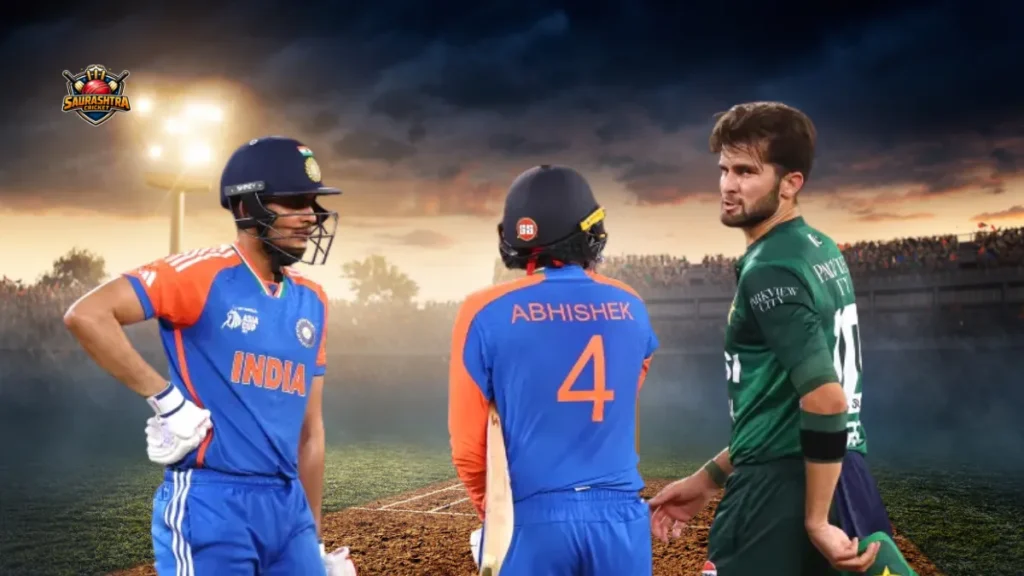
The India vs pakistan match has always been far more than just a cricket game. It is a sporting spectacle that blends fierce rivalry, massive global viewership, political undertones, and an economic impact running into hundreds of millions of dollars. During the ICC T20 World Cup 2026, this reality was once again laid bare when Pakistan’s last-minute reversal saved not only the tournament’s most anticipated match but also protected the ICC from a staggering financial blow.
On 15 February in Colombo, uncertainty loomed large over the India vs pakistan fixture after the Pakistani government initially announced that its team would not play the match. The decision sent shockwaves through the cricketing world, as the International Cricket Council (ICC) feared a revenue loss of nearly $174 million (approximately ₹1,578 crore). However, intense diplomatic negotiations, back-channel talks, and pressure from multiple cricket boards eventually led to a dramatic U-turn by Pakistan—restoring the marquee clash and bringing immense relief to global cricket stakeholders.
Why the India vs Pakistan Match Matters So Much
Every India vs pakistan encounter carries unmatched commercial value. Broadcasters, sponsors, ticketing agencies, and host boards depend heavily on this fixture to recover tournament costs and generate profit.
According to sources familiar with ICC financial planning, the potential cancellation of the match would have resulted in losses across multiple revenue streams, including broadcast rights, sponsorships, and stadium income.
Estimated Financial Impact of a Cancelled Match
| Revenue Source | Estimated Loss |
|---|---|
| Broadcast Rights | $90 million |
| Sponsorship Deals | $45 million |
| Ticket & Gate Revenue | $25 million |
| Other Commercial Income | $14 million |
| Total Estimated Loss | $174 million |
A senior source told The Indian Express that the loss would not have been limited to the ICC alone but would have affected broadcasters, advertisers, and cricket boards globally.
Pakistan’s Initial Refusal and Global Concern
When Pakistan announced its decision not to play the India vs pakistan match, citing political and diplomatic concerns, the ICC immediately went into crisis-management mode. The announcement came just weeks before the tournament, leaving little room for contingency planning.
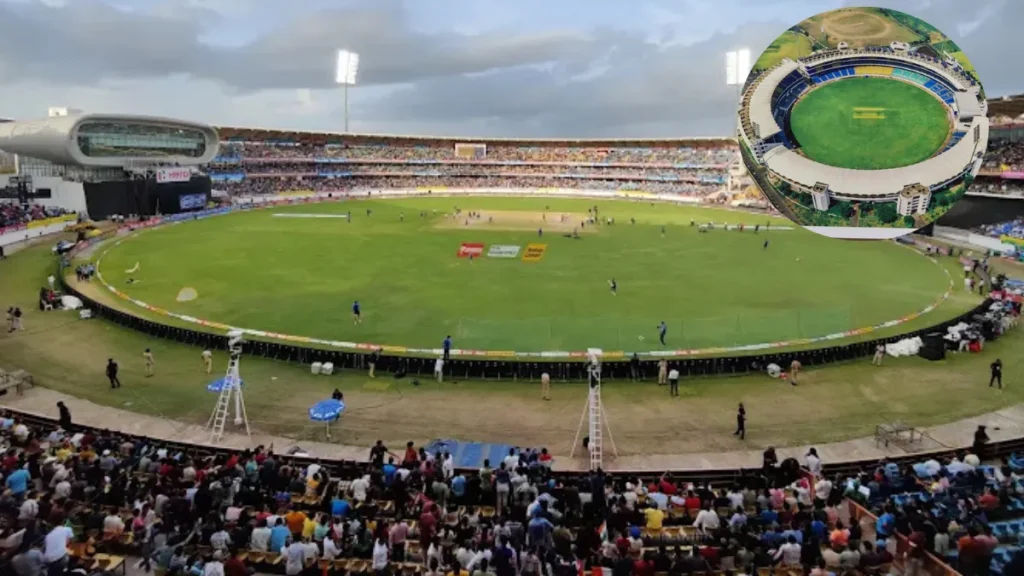
The stakes were especially high because the match was scheduled at a neutral venue—Colombo, Sri Lanka—to ensure safety and fairness for all parties involved.
Flight Prices Soar as Match Gets Confirmed
The moment Pakistan reversed its stance and confirmed participation, the public response was immediate and dramatic. Within minutes of the announcement, airline ticket prices between India and Sri Lanka skyrocketed.
Mumbai–Colombo Flight Fare Comparison
| Travel Route | Before Confirmation | After Confirmation |
|---|---|---|
| Mumbai–Colombo–Mumbai | ₹10,000 | ₹60,000 |
This sudden surge highlighted the enormous fan interest surrounding the India vs pakistan rivalry, with thousands of supporters scrambling to witness the match live.
Behind-the-Scenes Talks That Changed Everything
Multiple cricket boards played a quiet but crucial role in resolving the deadlock. Representatives from:
- Sri Lanka Cricket (SLC)
- Bangladesh Cricket Board (BCB)
- Pakistan Cricket Board (PCB)
- International Cricket Council (ICC)
engaged in extensive back-channel discussions to find a workable compromise.
Pakistan initially remained firm in supporting Bangladesh Cricket Board’s position regarding venue arrangements. However, when alternative scheduling proposals were rejected, the ICC took the decisive step of including Scotland instead of Bangladesh in the tournament lineup—an unexpected move that further intensified negotiations.
Bangladesh Cricket Board’s Direct Appeal to PCB
Late on Monday night, the Bangladesh Cricket Board (BCB) issued a public statement urging the Pakistan Cricket Board (PCB) to reconsider its position and play the scheduled match against India.
The statement thanked the PCB, ICC, and all involved parties for their constructive efforts in resolving recent challenges. BCB praised Pakistan’s leadership and cricket fans for demonstrating unity and sportsmanship during a tense period.
BCB President Mohammad Aminul Islam later emphasized that Pakistan’s support during difficult times had strengthened cricketing brotherhood in the region. Following his brief visit to Pakistan and high-level discussions, he formally requested PCB to participate in the India vs pakistan match for the benefit of the global cricket ecosystem.
Pakistan’s U-Turn and ICC’s Relief
Ultimately, Pakistan’s decision to reverse its boycott proved decisive. By agreeing to play on 15 February, PCB not only preserved the integrity of the tournament but also prevented a financial disaster for the ICC.
Key Outcomes of Pakistan’s Decision
| Impact Area | Result |
|---|---|
| Tournament Stability | Secured |
| ICC Revenue | Protected |
| Global Viewership | Maintained |
| Fan Confidence | Restored |
| Diplomatic Tensions | Temporarily Eased |
For the ICC, the relief was immense. Losing the India vs pakistan match would have weakened the tournament’s commercial foundation and reduced global interest.
More Than Cricket: A Global Event
The events surrounding this match once again proved that India vs pakistan is not just a sporting rivalry—it is a global phenomenon. From airlines and hotels to broadcasters and sponsors, entire industries feel the ripple effects of a single decision involving these two teams.
As the ICC T20 World Cup 2026 continues, the confirmed clash between India and Pakistan stands as a reminder of cricket’s power to unite, influence diplomacy, and drive massive economic activity.
When the two teams finally step onto the field in Colombo, they will not just be playing for runs and wickets—but carrying the weight of millions of fans, billions in revenue, and the future credibility of international cricket itself.